Multi-Generational Travel Done Right: Kids, Grandparents, and the Safari Question
A trip with three generations — kids, parents, and grandparents — sounds wonderful in January and impossible by the time you are comparing hotel rooms in March. Different energy levels, different bedtimes, different ideas of fun, one itinerary.
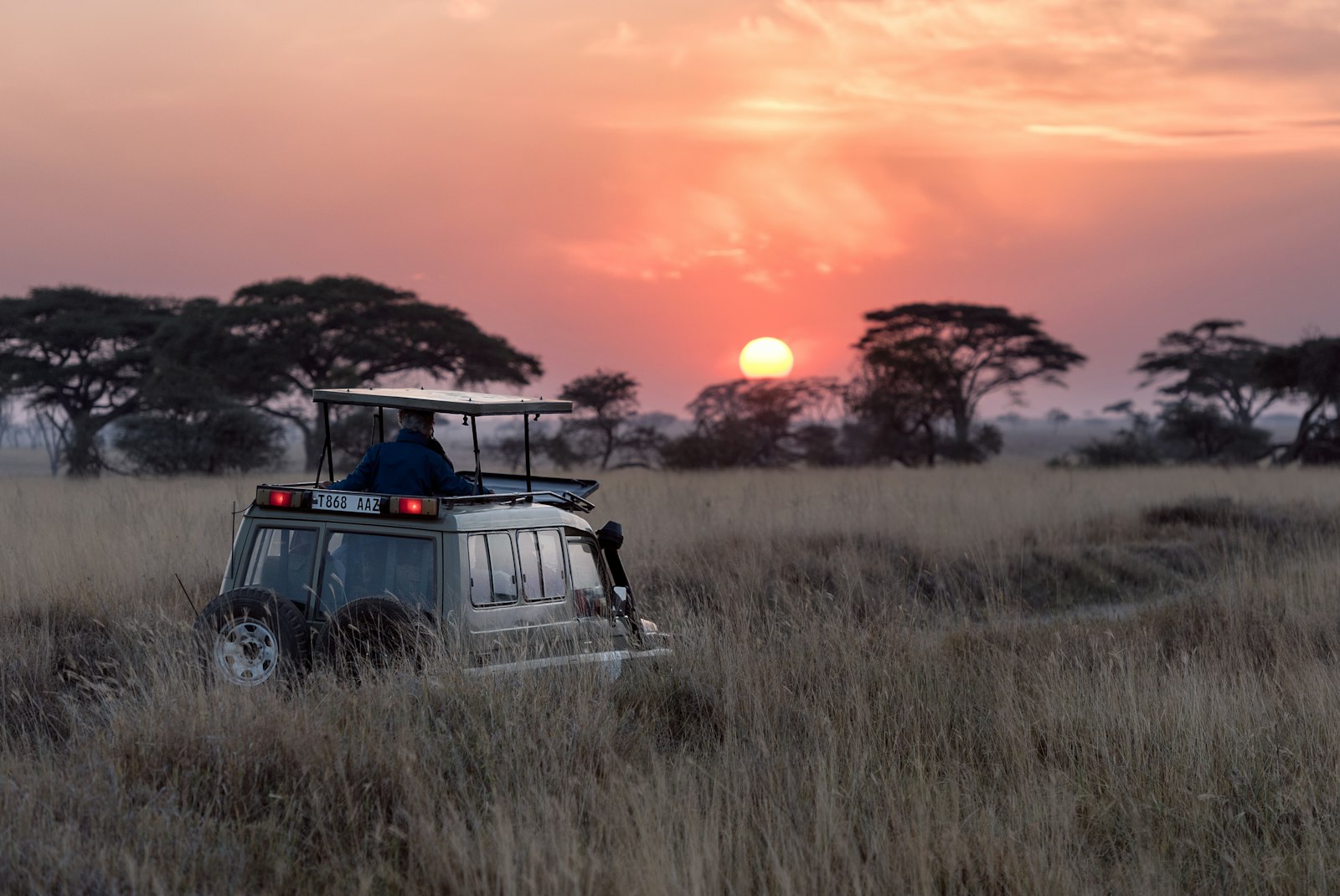
It is a puzzle Michael Podina, founder of Lifetime Getaways, solves constantly — one client family’s three-generation safari, reviewed on our homepage, went from a trip that “sounded impossible” to one that “exceeded every expectation.” Here is the playbook, including the question every family eventually asks: are the kids old enough for a safari?
Rule one: space, space, and space
Ask Michael the secret to multi-generational travel and you will get one word three times. The single most common mistake families make is under-booking the room.
The right setup is at least a one-bedroom suite with a connecting room — effectively a two-bedroom suite — with pull-out couches for flexibility. When everyone has somewhere to retreat, the trip breathes. When seven people share a doorway, it does not.
Rule two: build independence into the itinerary
The second mistake is assuming everyone does everything together. With a private guide instead of a group tour, the itinerary bends: grandparents can sit out the morning walking tour and stay by the pool; start times can slide from 8:00 to 9:30 when the kids had a late night. Nobody is holding a tour bus hostage.
For families with younger kids, Michael works with an on-site family-travel specialist whose itineraries are built kid-first — including scavenger hunts woven through the destinations that keep children engaged while they are learning.
Rule three: the kid logistics that actually matter
Small things decide whether a family trip is remembered fondly:
- Let the kids help choose. A child who picked the destination — or even one activity per day — is invested in the trip.
- Protect routines. Keep bedtimes and meal times close to the home schedule, and plan drives around nap time so transit days double as rest days.
- One tour a day, maximum — and consider half-day tours instead of full-day. Whitespace in the itinerary is not wasted time; it is what prevents the day-four meltdown.
- Snacks. Always snacks.
So when are kids ready to go international — and to go on safari?
There is no universal answer, but here is an honest benchmark: in Michael’s experience, children are often ready for international travel by around age seven. For safari specifically, the decision is partly made for you — many top lodges set age minimums, commonly around eight years old. That minimum is about right: six or seven is often too young to take it in; by eight, the trip lands.
What a family safari actually costs — and how long to go
Plan on a minimum of $1,000 per person, per day to do a safari properly. It is a serious number, and it buys a serious experience: vetted lodges, expert guides, and game drives that deliver.
On duration: 6 to 10 days on safari, but because the journey to Africa is so long, the trip should total at least 10 days to be worth it. A well-built itinerary pairs the bush with Cape Town and Johannesburg, or the Franschhoek wine region — and ambitious families can cap it with gorilla trekking, or beach time in the Seychelles or Mauritius. (The Maldives, beautiful as it is, is realistically a separate trip: 25 to 30 hours of travel from Texas, deserving a week of its own.)
The non-negotiables for every safari family
- Travel insurance. Not optional this far from home.
- Hand-picked lodges — vetted personally, not chosen from a brochure.
- Lodges near water. Where there is water, there is wildlife. It is the difference between watching the bush and watching the bush happen.
- A pool. Game drives run early morning and again from about 4 p.m. to dusk, which leaves a long midday gap. A lodge pool turns that gap into the kids’ favorite part of the day — while grandparents nap and parents actually relax.
- Time on foot. At least one guided walking safari. Seeing the bush from ground level, with an expert beside you, is the memory that outlasts the photos.
Why the safari schedule is secretly perfect for three generations
Here is the part families do not expect: the safari rhythm solves the multi-generational pacing problem on its own. Game drives at dawn and dusk are optional — skip one, take both, sleep in. The lodge structures the day with built-in rest at its center. A 7-year-old and a 75-year-old both end the day happy, because neither was dragged through eight hours of anything.
It is the rare bucket-list trip that is actually easier with three generations than a city itinerary would be — provided every camp, guide, and connecting flight has been vetted and confirmed before you ever leave Texas. Start with our Tanzania and Kenya pages, or read more on planning family vacations.
Thinking about a family trip that spans generations? Schedule a consultation — we have walked families through “impossible” before.
Planning a Trip Like This?
Schedule a complimentary consultation with your dedicated Lifetime Getaways advisor. Real humans, real expertise, real planning — no algorithms.
Start The Conversation